

 Sanjay Chaudhary
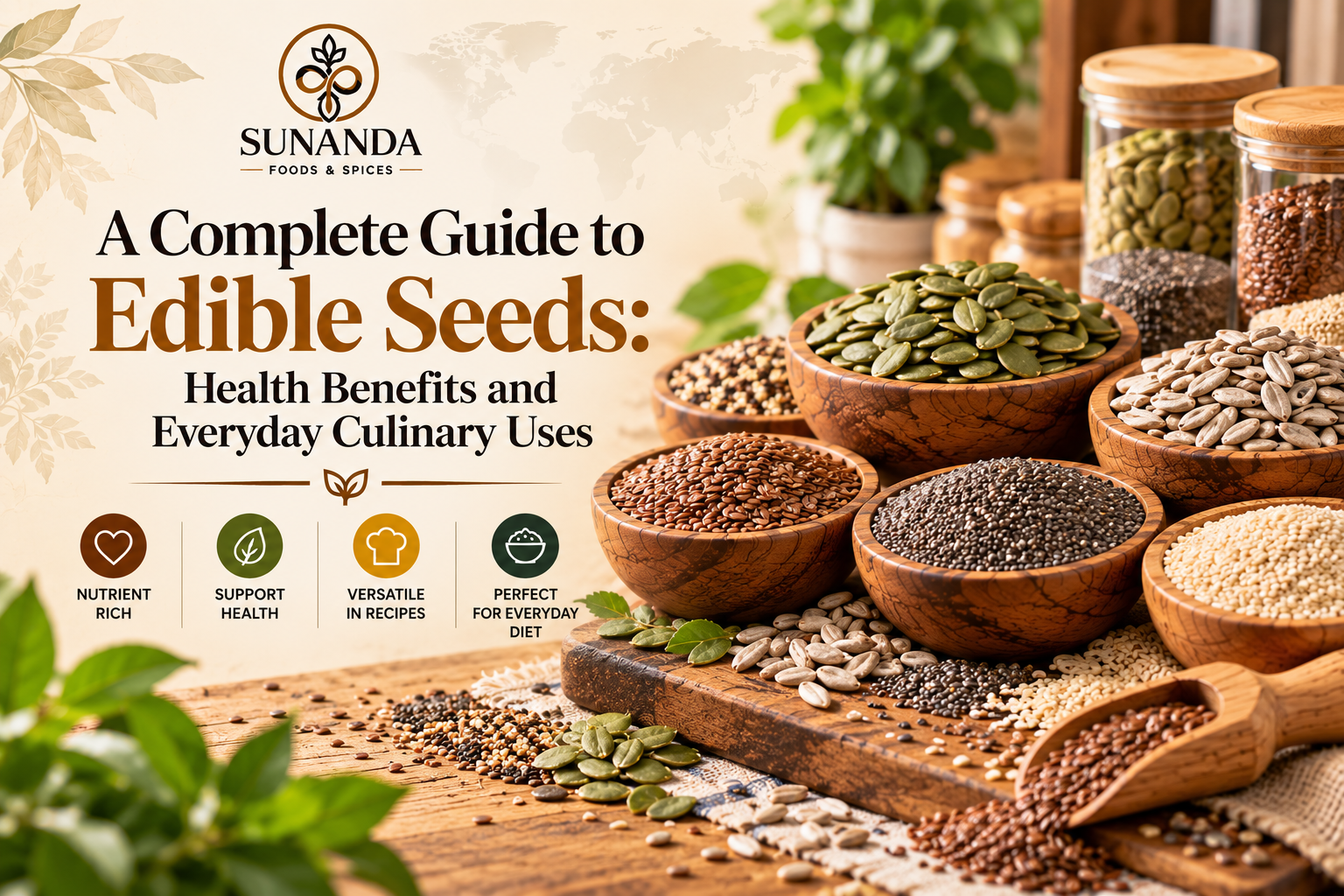
Seeds are some of the smallest ingredients in an Indian kitchen, yet they carry an outsized share of the work – tempering a dal, finishing a chutney, or adding crunch to a snack. Beyond flavour, many everyday seeds also carry a long history of traditional health benefits. Here’s a practical look at four seeds worth keeping stocked at all times, and how to get the most out of them. Edible Seeds Suppliers in India.
Why Seeds Deserve a Bigger Role in Your Kitchen
It’s easy to treat seeds as an afterthought, reached for only during tempering. But cumin, fennel, mustard, and sesame each bring a distinct flavour profile and nutritional value that can genuinely elevate everyday cooking when used thoughtfully rather than as a last-minute addition.
Cumin Seeds (Jeera)
Cumin seeds are the backbone of Indian tempering, releasing a warm, nutty aroma the moment they hit hot oil. Beyond flavour, cumin has traditionally been valued for supporting digestion and is a good source of iron, making it a staple in daily cooking across most Indian households.
Fennel Seeds (Saunf)
With their subtly sweet, liquorice-like flavour, fennel seeds are used both in cooking and as an after-meal digestive aid. They’re common in North Indian curries, biryanis, and are often chewed on their own after meals in many households.
Mustard Seeds (Rai)
Mustard seeds are essential to South Indian and Bengali-style tempering, releasing a sharp, pungent aroma when they crackle in hot oil. They’re also ground into paste for certain regional curries and pickles, adding a distinct tang.
Sesame Seeds (Til)
Sesame seeds bring a nutty, toasted flavour and are widely used in sweets, chutneys, and as a garnish for snacks. They’re also a good source of natural oils and are a traditional feature in winter recipes and festive sweets across India.
How to Store Seeds for Maximum Freshness
- Store in airtight containers away from direct sunlight and moisture
- Keep whole seeds rather than pre-ground versions to preserve natural oils longer
- Use within 8–12 months for the best aroma and flavour
- Avoid storing near heat sources like stovetops, which speeds up flavour loss
Sourcing Pure, High-Quality Seeds
Not all seeds sold in the market are equally fresh or clean. Poor sorting can leave behind husk, dust, or damaged seeds that affect both flavour and shelf life. At Sunanda Foods & Spices, seeds are carefully cleaned, sorted, and packed under hygienic conditions, ensuring every batch delivers the same natural aroma and quality, whether bought in small retail packs or bulk quantities.
Final Thoughts
Cumin, fennel, mustard, and sesame may be small, but they play a disproportionately large role in Indian cooking, both in flavour and traditional wellness practices. Choosing fresh, properly sourced seeds is a simple way to noticeably improve the taste of your everyday meals.
Looking for pure, high-quality edible seeds for your kitchen or business? Explore Sunanda Foods & Spices’ seeds range, sourced and processed for consistent freshness.
Frequently Asked Questions
Which seeds are commonly used in Indian tempering?
Cumin and mustard seeds are the most commonly used seeds for tempering (tadka), added to hot oil at the start or end of cooking to release their aroma.
Do seeds expire or lose their nutritional value over time?
Seeds don’t spoil quickly, but they do lose potency and aroma over time, especially if exposed to heat, light, or moisture. Airtight storage helps extend their shelf life.
Can I buy edible seeds in bulk for commercial use?
Yes, Sunanda Foods & Spices supplies cumin, fennel, mustard, sesame, and other edible seeds in bulk quantities for restaurants, food manufacturers, and distributors.